 California Real Estate Lawyers Blog


Written by a Human, not AI.
Easements for ingress and egress usually only specify a width and location of the easement, without addressing the nature of the surface or improvements to the surface. Some don’t even specify the location of the easement (called a floating easement). A recent decision out of El Dorado County addressed whether the holder of a nonexclusive easement for ingress and egress could pave the road easement across the subservient parcel. The answer? It depends. The court also addressed whether a prior lawsuit between the parties over the same easement (neighbors but not friends) ‘split’ the cause of action, resulted in barring this current action. 
In Bernstein v Sebring, the easement for ingress and egress included portions of a paved road and a 244 foot gravel/dirt road splitting off the paved road used as a driveway for the defendant-easement holder’s property. In 2018 (while the first easement lawsuit was pending) the easement holder told the plaintiff that he was going to immediately pave the gravel/dirt roadway, including the portion’s on plaintiff’s subservient property. This lawsuit followed. With the two lawsuits, the defendant claimed plaintiff violated the rule against splitting causes of action; more on that at the end of this post.
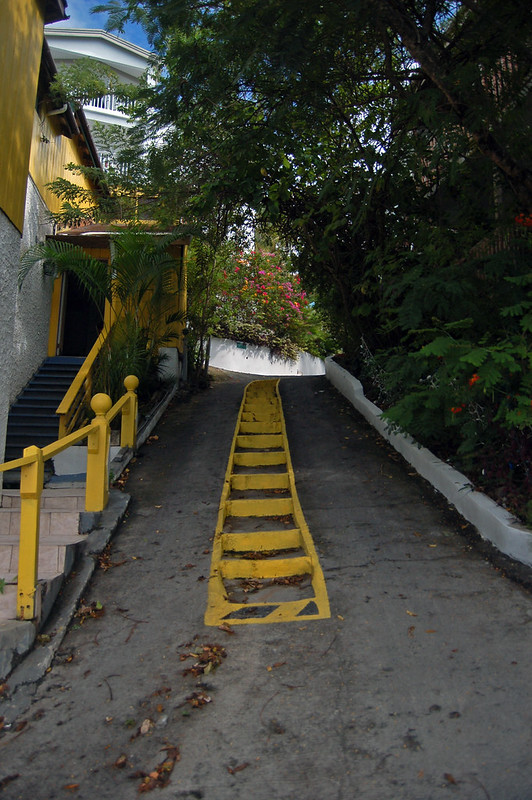
The appellate court relied on Dolnikov v Ekizian in describing easement law. Every easement includes ‘secondary easements;’ the right to do those things as are necessary for the full enjoyment of the easement itself. This can include the right to make repairs, renewals and replacements on the property that is servient to the easement and to do such things as are necessary to the exercise of the right…. A right-of-way to pass over the land of another carries with it ‘the implied right … to make such changes in the surface of the land as are necessary to make it available for travel in a convenient manner. But these incidental or secondary easement rights are limited by a rule of reason…. There are no absolute rules of conduct. The responsibility of each party to the other and the “reasonableness” of use of the property depends on the nature of the easement, its method of creation, and the facts and circumstances surrounding the transaction. 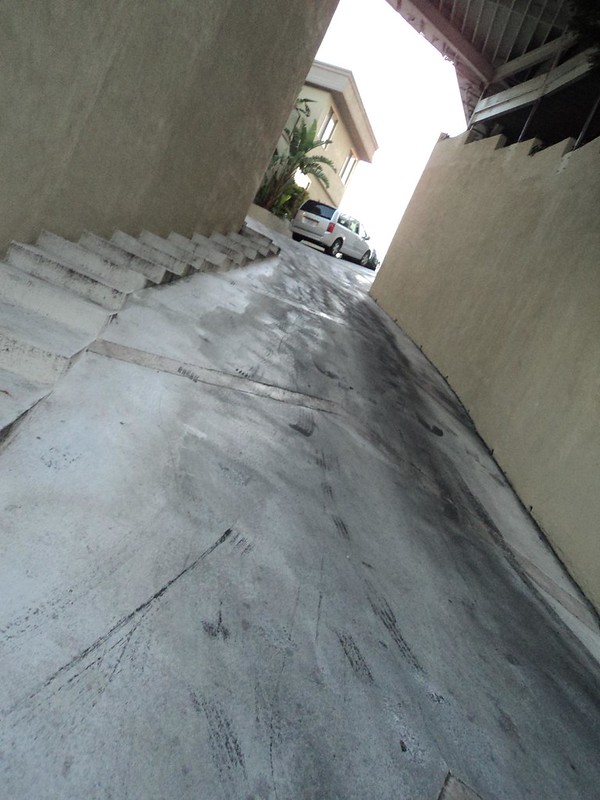
The defendant argued that their road easement included the secondary right to pave the gravel/dirt road, relying on the dictionary to show that, by definition, a road includes a paved surface. The court did not buy it- because a road can be paved does not mean all roads are paved. The defendant’s interpretation would contradict the principal that the scope of secondary easement rights depends on the circumstances of each easement. In this case, the easement may include a right to pave it, but that would require a finding by the trial court that paving the driveway is reasonably necessary to make it available for safe and convenient vehicular travel. But the trial court found instead that paving in this case was “not reasonably necessary.”
Splitting a Cause of Action Here, the first lawsuit claimed the defendant cut down trees and built a rock wall on the easement. The second suit was about paving the easement. The defendant argued that the primary right being litigated [in both cases is] the scope of the road easement and the secondary easement rights. Thus it should be barred because it arose out of the same facts and primary rights as the 1st suit.
The court stated that a “cause of action” is comprised of a “primary right” of the plaintiff, a corresponding “primary duty” of the defendant, and a wrongful act by the defendant constituting a breach of that duty. [Citation.] The most salient characteristic of a primary right is that it is indivisible: the violation of a single primary right gives rise to but a single cause of action. A “cause of action” is based upon the harm suffered, as opposed to the particular theory asserted by the litigant…. Even where there are multiple legal theories upon which recovery might be predicated, one injury gives rise to only one claim for relief.
The court here that, though involving “ ‘the same general subject matter,’ ” e.g., plaintiff’s property rights in relation to defendant’s easement, the actions are “distinct episodes” of defendant’s purported violation of plaintiff’s property right, establishing a 2nd cause of action. To find otherwise could bar plaintiff from bringing any future suits involving the easement even if defendant threatens new types of harm to plaintiff’s property rights. Thus, there was splitting of the action.