A public right of way, while it may be described as an easement, is much different from a private easement. The Supreme Court explained that ‘public ways, as applied to ways by land, are usually termed “highways” or “public roads,” and are such ways as every citizen has a right to use. A private way relates to those easements in which a particular person, or particular description or class of persons, have an interest or right as distinguished from the general public. A private easement ordinarily vests those use rights in the owner of a particular parcel of neighboring property, while the use rights of a public right-of-way are vested equally in each and every member of the public. Sacramento real estate attorneys often face issues concerning private easements – extent of use of the easement, interference with the easement, etc. but seldom need to address public right of way issues. In a recent decision, the court explained that using the language “for public road purposes” in the grant of easement between private parties does not create an easement for public use, but rather to allow access to a public road.
 In Schmidt v. Bank of America, N.A. the easement holder sold a portion of their property in La Mesa to Betty, reserving an easement, the language being:
“RESERVING to the grantor, her successors, assigns and/or heirs, the right of ingress and egress for public road purposes over, along and across the Easterly 40 feet thereof.”
 In
In  In a recent decision the court enforced a general reference provision that did not include an explicit waiver of a jury trial. In
 In
In  A dilemma arises when the property owner pays off the loan, but has not yet completed full performance of other obligations secured by the deed of trust. Usually, on paying off the loan, the borrower wants the lender to record a reconveyance of the deed of trust, effectively removing the ‘lien’ from the record. However, courts have found that reconveyance was not required. Such was the case in
 Under Proposition 13 real property tax is based on “full cash value,” meaning “the appraised value of real property when purchased, newly constructed, or
 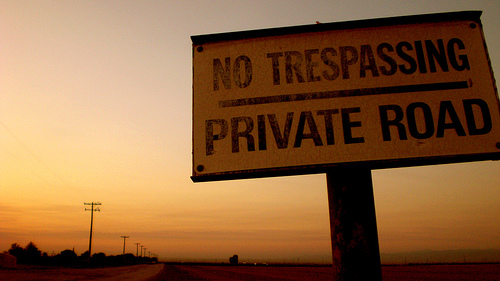 This was the problem presented in a recent decision, where the court found that numerous lease terms ended of the course of the prescriptive period; in one instance the property did not have a tenant for over a year. If the owner never had a possessory right during the prescription period, he had a defense to the prescriptive easement claim. However, in this case, the lessor / owner did not have a tenant the entire period, so the court concluded it should have taken action to prevent the trespassing use. Parties in such situtations may want to consult an experienced
  The beneficiary can extend the time by recording a “notice of intent to preserve interests” prior to the expiration of the prescribed time period. If this notice is timely recorded, the period is extended until 10 years after the notice is recorded. Civil Code section 880.310(a), 880.020(a)(3). If one has a concern about the limitations of their deed of trust, they should consult a
  The Civil Code